
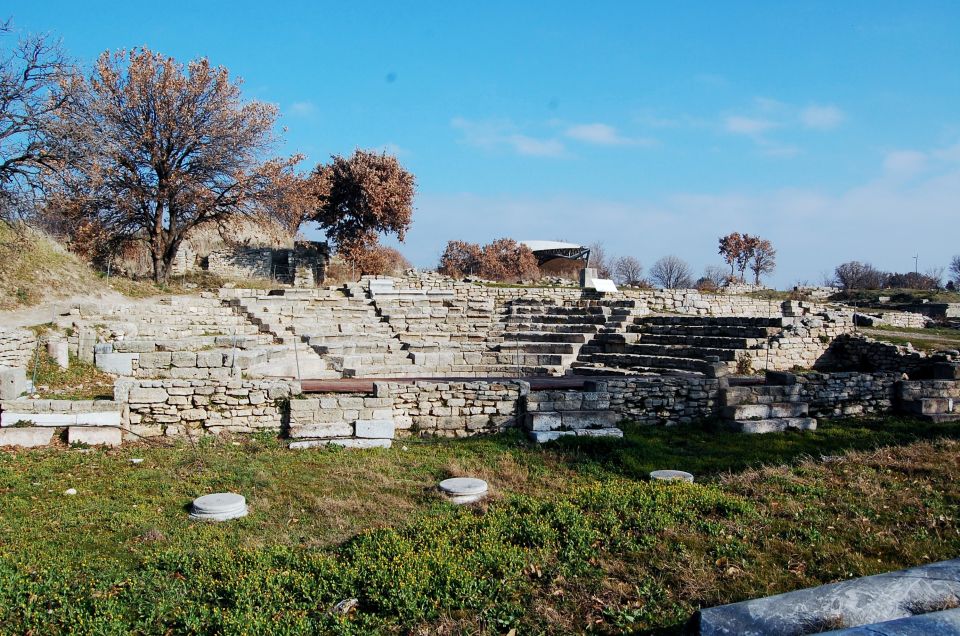
Canakkale: Full-Day Troy and Gallipoli Tour
1.Canakkale: Full-Day Troy and Gallipoli Tour
Guided full-day Troy and Gallipoli tour from Çanakkale with hotel pickup, ferry crossing, Troy ruins, ANZAC battlefields, lunch included.
Most Popular
ÇANAKKALE · TÜRKİYE
The best of both shores.
The 5 most popular troy ancient city tours around the Dardanelles, with prices, run times and who you book through. The standouts worth giving a day to, and what each one actually shows you.
Guided full-day Troy and Gallipoli tour from Çanakkale with hotel pickup, ferry crossing, Troy ruins, ANZAC battlefields, lunch included.
Most Popular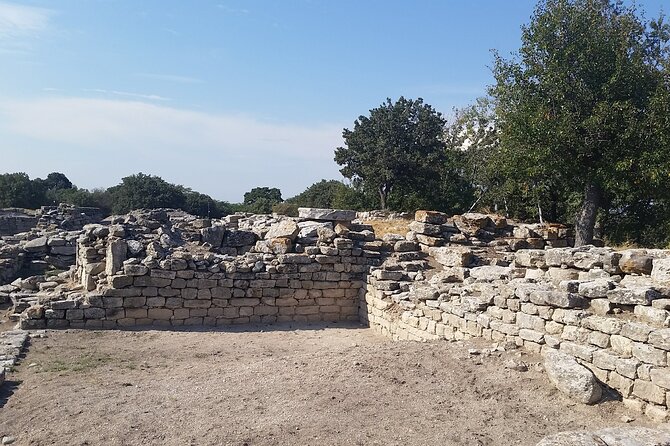
Full-day Troy and Gallipoli tour from Çanakkale with hotel pickup, guided UNESCO sites, Troy entrance included, and a vegetarian lunch option.
“Hassan is a truly superb guide. It is not easy to guide people around the battlefields of Gallipoli. The locations are extraordinarily beautiful, but what happened there was almost unimaginably horrible. And, of course, most people are on holiday, although some may be on a personal pilgrimage. Hassan managed a very well-judged combination of empathy,…”
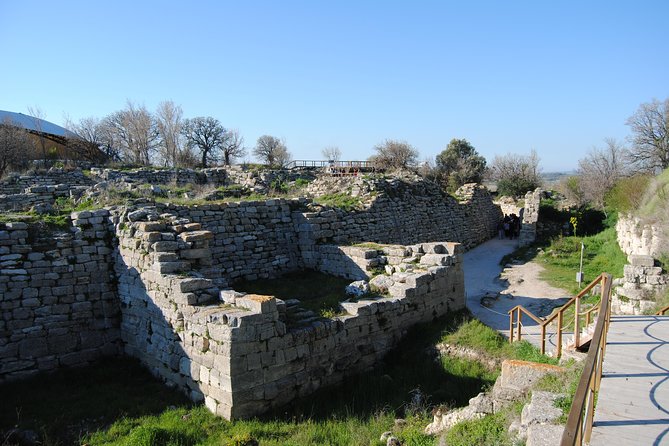
Troy ruins and myth, then Gallipoli WWI sites from Çanakkale. Includes guide, transport, ferry, entrance fees, and lunch.
“Thank you Ercan for blessing me with your scholarly and skilled tour of Ancient Troy and Gallipoli Battlefields, all delivered in a warm and friendly manner. This is an incredible day for history lovers that will not be forgotten as you contemplate the depth of history at the layers of the Troy site and Troy…”
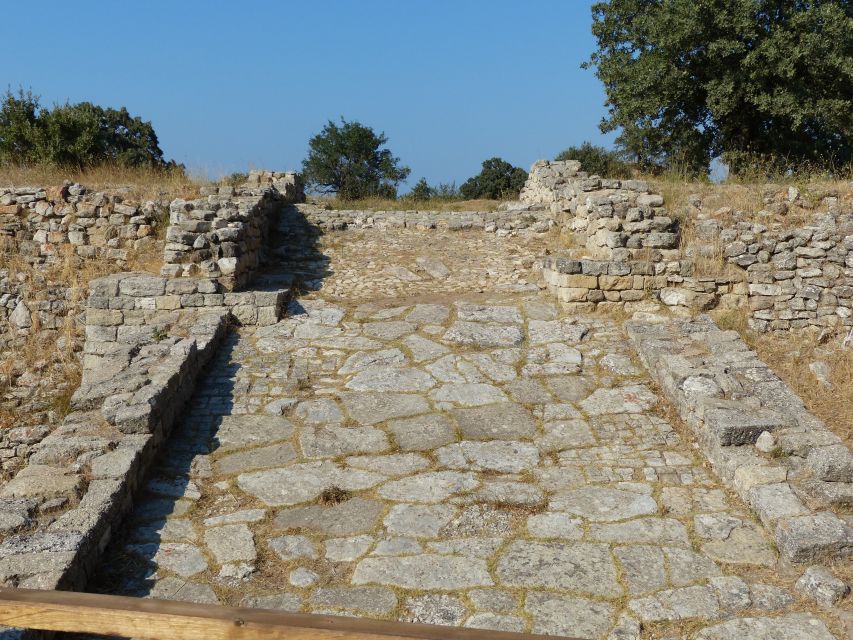
Half-day guided walk through Troy from Çanakkale—3,700-year-old walls, layered ruins, myths, and excavations in 3 hours.
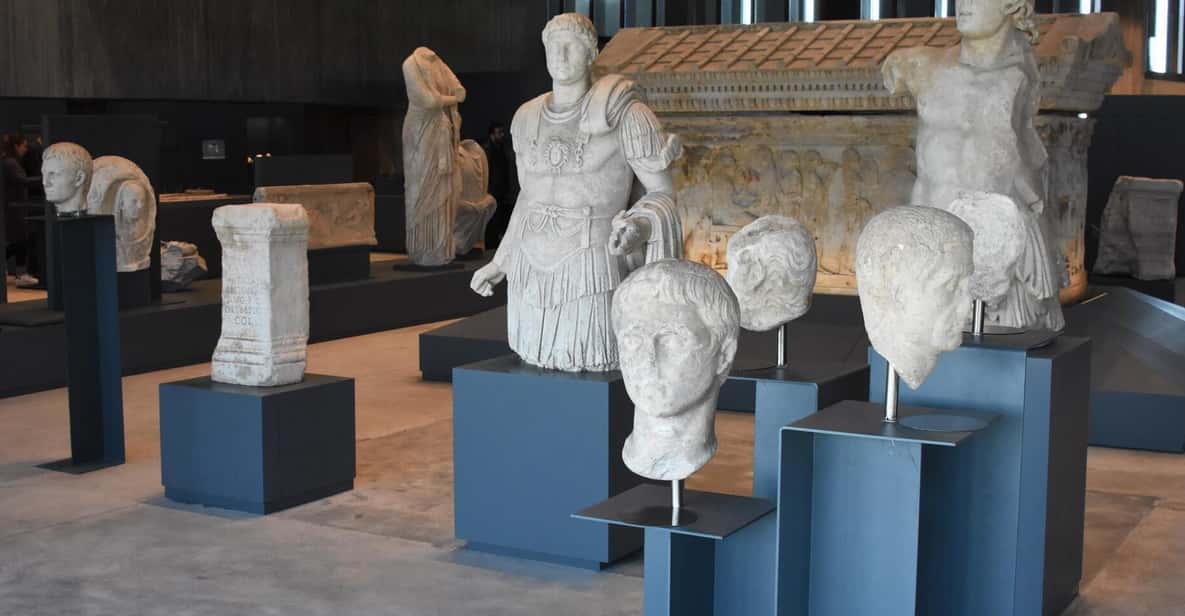
Museum of Troy artifacts and a guided UNESCO walk through Ancient Troy’s layered cities, walls, and Trojan War myths in 6 hours.
From the ruins of the ancient city to the battlefields across the strait, and every way to see them from Çanakkale.